- All products
- Kultureware
- Erlenmeyer Flasks
- Erlenmeyer Flasks
- Erlenmeyer Flasks
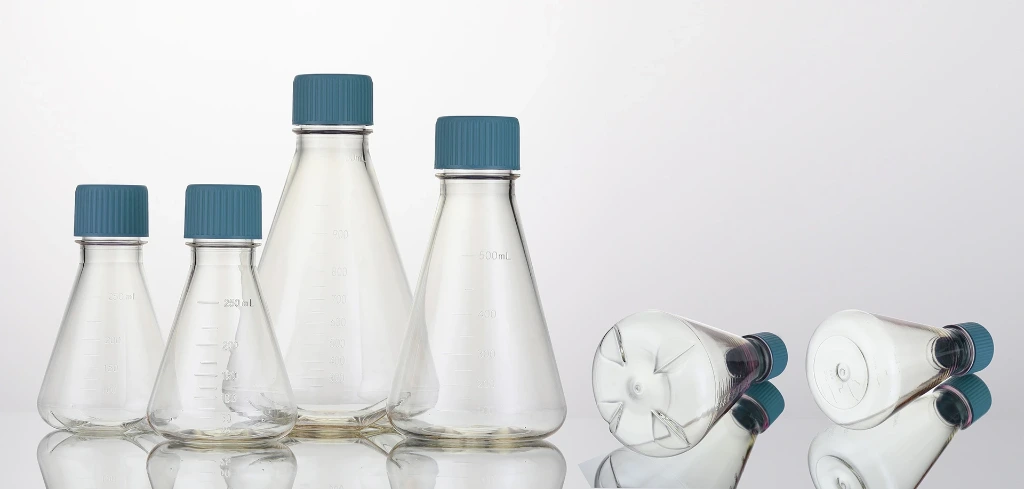
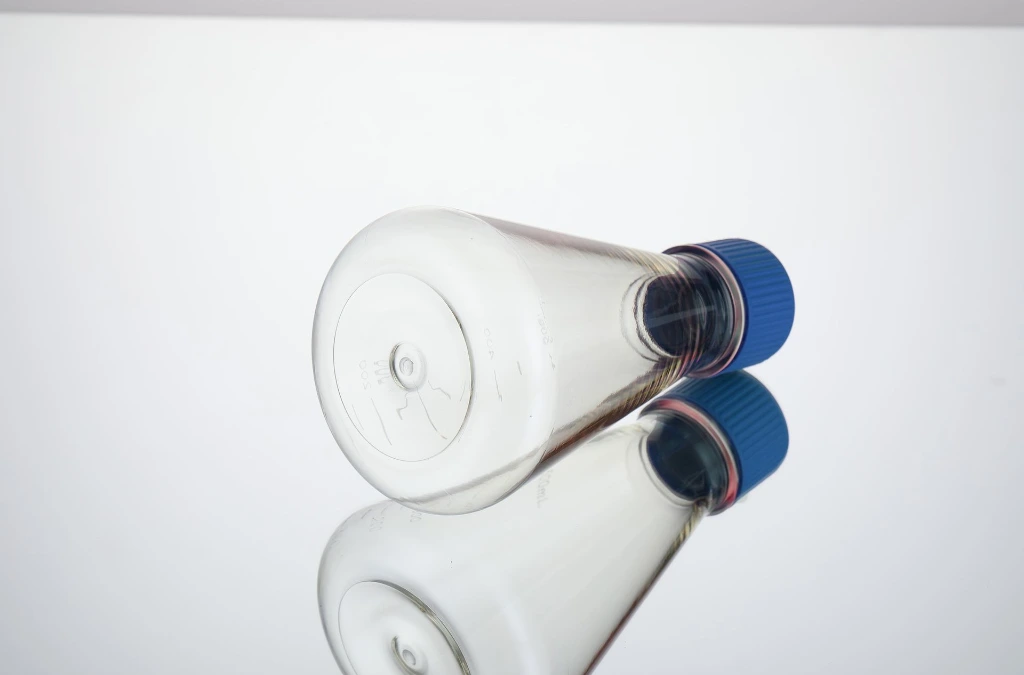
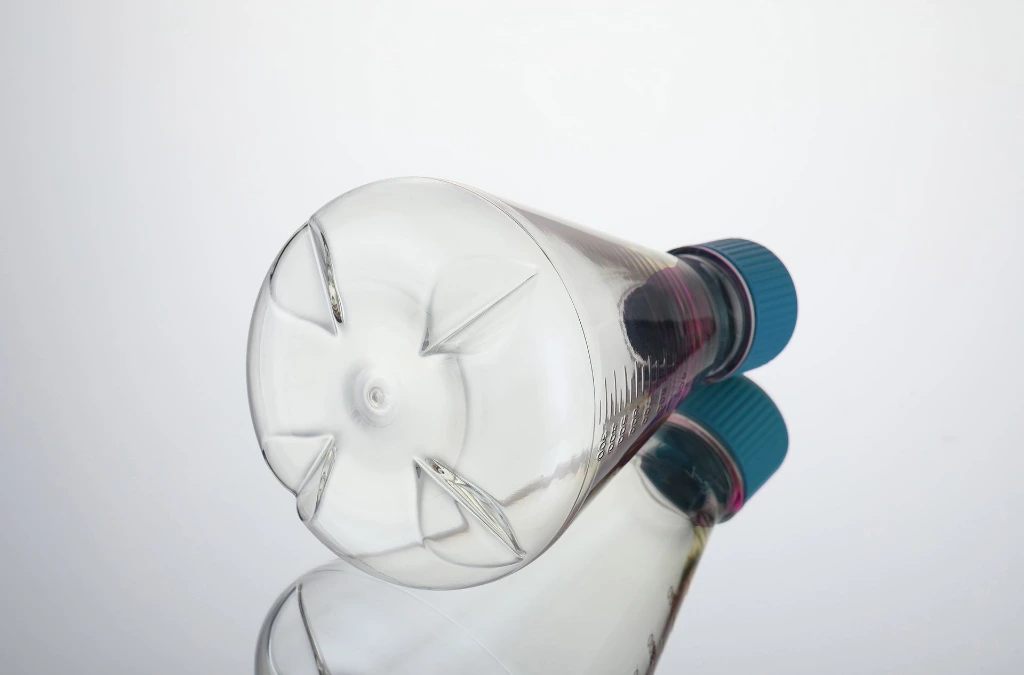
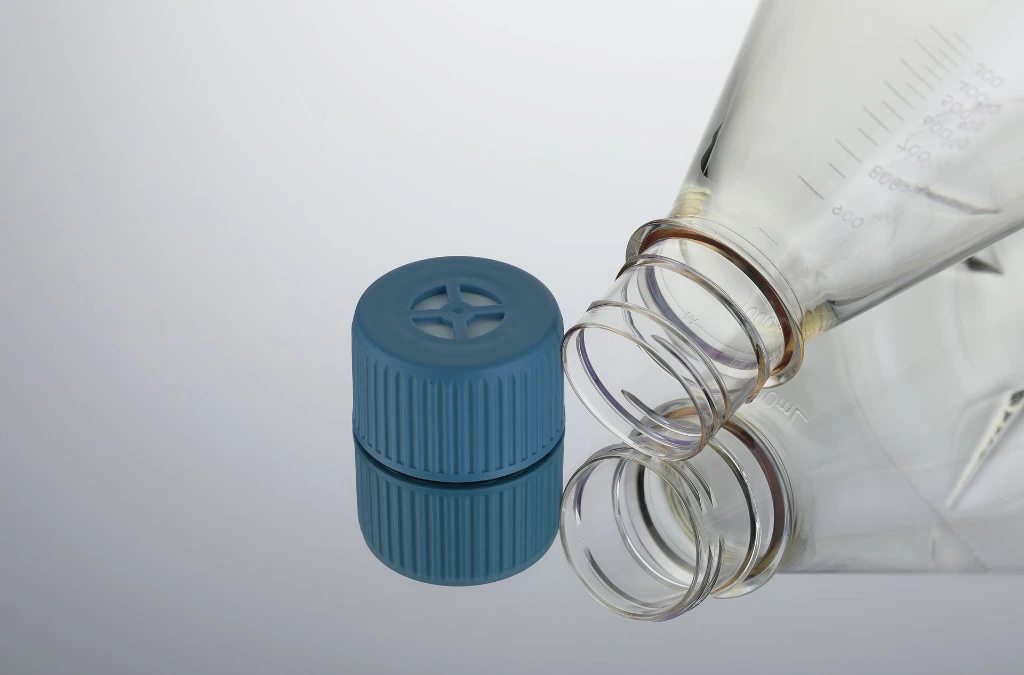



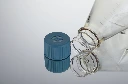
Sterile Erlenmeyer flasks manufactured from medical-grade PETG or polycarbonate (PC) using seamless, one-time forming technology — eliminating surface nodules and weld seams that can disrupt cell growth and introduce contamination risk. Available in flat bottom and baffled bottom configurations with plug cap or vented cap options, from 125 mL to 5,000 mL.
Flask dimensions meet the international SBS standard for direct compatibility with standard bioreactor quick-connection systems — streamlining scale-up workflows from bench to bioreactor without additional adapters. Each flask is individually vacuum-packaged to maintain sterility until point of use.
Material Options:
Configuration Options:
- Seamless one-time forming construction — eliminates weld seams and surface nodules that can disrupt cell attachment, cause cell damage, or introduce contamination
- SBS standard dimensions — flask footprint meets international SBS standards for direct quick-connection compatibility with standard bioreactor systems — no additional adapters required
- Individual vacuum packaging — each flask is individually vacuum-sealed to maintain sterility until point of use
- Baffled bottom option — internal baffles significantly increase aeration and mixing efficiency during orbital shaking — maximizing oxygen transfer and cell density for suspension culture and microbial fermentation
- Flat bottom option — suitable for magnetic stirring, standard bench culture, and general laboratory applications
- 0.22 µm hydrophobic vent cap — membrane filter allows passive gas exchange while blocking microbial contamination — superior gas transfer for aerobic culture without opening the flask
- Plug cap option — fully sealed closure for closed-system applications, transport, and storage
- PC material — autoclavable — polycarbonate construction withstands standard autoclave sterilization at 121°C, 15 PSI for 15–20 minutes for re-sterilization workflows
- PETG material — rated to -70°C — suitable for cold and ultra-low temperature storage applications
- Medical-grade materials — manufactured from medical-grade PETG and PC for consistent, reproducible culture performance
- DNase/RNase, Endotoxin, Human DNA, ATP, and Pyrogen-free — certified for sensitive cell culture and biological applications
- Sterile — gamma irradiated, dose verification per ISO 11137, SAL 10⁻⁶
| Specification | Detail |
|---|---|
| Material Options | PC (Polycarbonate) or PETG |
| Construction | Seamless one-time forming — no weld seams or surface nodules |
| Bottom Options | Flat Bottom or Baffled Bottom |
| Cap Options | Plug Cap or Vent Cap (0.22 µm hydrophobic membrane) |
| Vent Cap Filter | 0.22 µm hydrophobic membrane — microbial barrier with gas exchange |
| Footprint Standard | ✦ SBS Standard — bioreactor compatible |
| Packaging | Individual vacuum packaging |
| PC — Available Sizes | 125 mL | 250 mL | 500 mL | 1,000 mL | 2,000 mL | 3,000 mL | 5,000 mL |
| PC — Bottom Options | Flat Bottom and Baffled Bottom |
| PC — Autoclavable | △ Yes — 121°C, 15 PSI, 15–20 minutes |
| PETG — Available Sizes | 125 mL | 250 mL | 500 mL | 1,000 mL |
| PETG — Bottom Options | Flat Bottom only |
| PETG — Temperature Rating | ❄ Rated to -70°C |
| PETG — Autoclavable | ⚠️ Not Autoclavable |
| Sterile | ✓ Yes — individually vacuum-packaged |
| Sterilization Method | Gamma irradiation — dose verification per ISO 11137 |
| Sterility Assurance Level | SAL 10⁻⁶ |
| Quality System | Manufactured under ISO 13485 |
| Biocompatibility | Meets USP Class VI requirements |
| RNase / DNase-free | ✓ Certified |
| Endotoxin-free | ✓ Certified |
| Human DNA-free | ✓ Certified |
| Pyrogen-free | ✓ Certified |
| ATP-free | ✓ Certified |
- Store in original vacuum packaging in a clean, dry environment away from direct sunlight and UV exposure
- Maintain storage temperature between 15°C and 30°C (59°F – 86°F) prior to use
- PETG flasks — suitable for storage at temperatures down to -70°C
- PC flasks — autoclavable at 121°C, 15 PSI for 15–20 minutes for re-sterilization; allow to cool completely before use
- Open vacuum packaging aseptically inside a biosafety cabinet at point of use
- Do not use flasks from damaged or previously opened vacuum packaging
- When using vent cap flasks in a shaking incubator, ensure cap is securely tightened to prevent liquid contact with the 0.22 µm membrane during agitation
- Do not fill above 20–30% of nominal flask volume for shaking culture applications to ensure adequate gas exchange and mixing
- Inspect flasks for cracks or stress marks before use — do not use damaged flasks
- Dispose of used flasks in accordance with your institution's biosafety waste disposal guidelines
Sterile Erlenmeyer flasks manufactured from medical-grade PETG or polycarbonate (PC) using seamless, one-time forming technology — eliminating surface nodules and weld seams that can disrupt cell growth and introduce contamination risk. Available in flat bottom and baffled bottom configurations with plug cap or vented cap options, from 125 mL to 5,000 mL.
Flask dimensions meet the international SBS standard for direct compatibility with standard bioreactor quick-connection systems — streamlining scale-up workflows from bench to bioreactor without additional adapters. Each flask is individually vacuum-packaged to maintain sterility until point of use.
Material Options:
Configuration Options:
- Seamless one-time forming construction — eliminates weld seams and surface nodules that can disrupt cell attachment, cause cell damage, or introduce contamination
- SBS standard dimensions — flask footprint meets international SBS standards for direct quick-connection compatibility with standard bioreactor systems — no additional adapters required
- Individual vacuum packaging — each flask is individually vacuum-sealed to maintain sterility until point of use
- Baffled bottom option — internal baffles significantly increase aeration and mixing efficiency during orbital shaking — maximizing oxygen transfer and cell density for suspension culture and microbial fermentation
- Flat bottom option — suitable for magnetic stirring, standard bench culture, and general laboratory applications
- 0.22 µm hydrophobic vent cap — membrane filter allows passive gas exchange while blocking microbial contamination — superior gas transfer for aerobic culture without opening the flask
- Plug cap option — fully sealed closure for closed-system applications, transport, and storage
- PC material — autoclavable — polycarbonate construction withstands standard autoclave sterilization at 121°C, 15 PSI for 15–20 minutes for re-sterilization workflows
- PETG material — rated to -70°C — suitable for cold and ultra-low temperature storage applications
- Medical-grade materials — manufactured from medical-grade PETG and PC for consistent, reproducible culture performance
- DNase/RNase, Endotoxin, Human DNA, ATP, and Pyrogen-free — certified for sensitive cell culture and biological applications
- Sterile — gamma irradiated, dose verification per ISO 11137, SAL 10⁻⁶
| Specification | Detail |
|---|---|
| Material Options | PC (Polycarbonate) or PETG |
| Construction | Seamless one-time forming — no weld seams or surface nodules |
| Bottom Options | Flat Bottom or Baffled Bottom |
| Cap Options | Plug Cap or Vent Cap (0.22 µm hydrophobic membrane) |
| Vent Cap Filter | 0.22 µm hydrophobic membrane — microbial barrier with gas exchange |
| Footprint Standard | ✦ SBS Standard — bioreactor compatible |
| Packaging | Individual vacuum packaging |
| PC — Available Sizes | 125 mL | 250 mL | 500 mL | 1,000 mL | 2,000 mL | 3,000 mL | 5,000 mL |
| PC — Bottom Options | Flat Bottom and Baffled Bottom |
| PC — Autoclavable | △ Yes — 121°C, 15 PSI, 15–20 minutes |
| PETG — Available Sizes | 125 mL | 250 mL | 500 mL | 1,000 mL |
| PETG — Bottom Options | Flat Bottom only |
| PETG — Temperature Rating | ❄ Rated to -70°C |
| PETG — Autoclavable | ⚠️ Not Autoclavable |
| Sterile | ✓ Yes — individually vacuum-packaged |
| Sterilization Method | Gamma irradiation — dose verification per ISO 11137 |
| Sterility Assurance Level | SAL 10⁻⁶ |
| Quality System | Manufactured under ISO 13485 |
| Biocompatibility | Meets USP Class VI requirements |
| RNase / DNase-free | ✓ Certified |
| Endotoxin-free | ✓ Certified |
| Human DNA-free | ✓ Certified |
| Pyrogen-free | ✓ Certified |
| ATP-free | ✓ Certified |
- Store in original vacuum packaging in a clean, dry environment away from direct sunlight and UV exposure
- Maintain storage temperature between 15°C and 30°C (59°F – 86°F) prior to use
- PETG flasks — suitable for storage at temperatures down to -70°C
- PC flasks — autoclavable at 121°C, 15 PSI for 15–20 minutes for re-sterilization; allow to cool completely before use
- Open vacuum packaging aseptically inside a biosafety cabinet at point of use
- Do not use flasks from damaged or previously opened vacuum packaging
- When using vent cap flasks in a shaking incubator, ensure cap is securely tightened to prevent liquid contact with the 0.22 µm membrane during agitation
- Do not fill above 20–30% of nominal flask volume for shaking culture applications to ensure adequate gas exchange and mixing
- Inspect flasks for cracks or stress marks before use — do not use damaged flasks
- Dispose of used flasks in accordance with your institution's biosafety waste disposal guidelines
| Volume | Material | Bottom | Cap | Flasks/ Case |
Autoclavable |
|---|---|---|---|---|---|
| PC — Flat Bottom | |||||
| 125 mL | PC | Flat | Plug Cap | 24 | △ Yes |
| 250 mL | PC | Flat | Plug Cap | 12 | △ Yes |
| 500 mL | PC | Flat | Plug Cap | 12 | △ Yes |
| 1,000 mL | PC | Flat | Plug Cap | 6 | △ Yes |
| 125 mL | PC | Flat | Vent Cap | 24 | △ Yes |
| 250 mL | PC | Flat | Vent Cap | 12 | △ Yes |
| 500 mL | PC | Flat | Vent Cap | 12 | △ Yes |
| 1,000 mL | PC | Flat | Vent Cap | 6 | △ Yes |
| 2,000 mL | PC | Flat | Vent Cap | 6 | △ Yes |
| 3,000 mL | PC | Flat | Vent Cap | 4 | △ Yes |
| 5,000 mL | PC | Flat | Vent Cap | 4 | △ Yes |
| PC — Baffled Bottom | |||||
| 125 mL | PC | Baffled | Plug Cap | 24 | △ Yes |
| 250 mL | PC | Baffled | Plug Cap | 12 | △ Yes |
| 500 mL | PC | Baffled | Plug Cap | 12 | △ Yes |
| 1,000 mL | PC | Baffled | Plug Cap | 6 | △ Yes |
| 125 mL | PC | Baffled | Vent Cap | 24 | △ Yes |
| 250 mL | PC | Baffled | Vent Cap | 12 | △ Yes |
| 500 mL | PC | Baffled | Vent Cap | 12 | △ Yes |
| 1,000 mL | PC | Baffled | Vent Cap | 6 | △ Yes |
| 2,000 mL | PC | Baffled | Vent Cap | 6 | △ Yes |
| 3,000 mL | PC | Baffled | Vent Cap | 4 | △ Yes |
| PETG — Flat Bottom (❄ Rated to -70°C) | |||||
| 125 mL | PETG | Flat | Plug Cap | 24 | ⚠️ No |
| 250 mL | PETG | Flat | Plug Cap | 12 | ⚠️ No |
| 500 mL | PETG | Flat | Plug Cap | 12 | ⚠️ No |
| 1,000 mL | PETG | Flat | Plug Cap | 6 | ⚠️ No |
| 125 mL | PETG | Flat | Vent Cap | 24 | ⚠️ No |
| 250 mL | PETG | Flat | Vent Cap | 12 | ⚠️ No |
| 500 mL | PETG | Flat | Vent Cap | 12 | ⚠️ No |
| 1,000 mL | PETG | Flat | Vent Cap | 6 | ⚠️ No |
| Volume | Material | Bottom | Cap | Flasks/ Case |
Autoclavable |
|---|---|---|---|---|---|
| PC — Flat Bottom | |||||
| 125 mL | PC | Flat | Plug Cap | 24 | △ Yes |
| 250 mL | PC | Flat | Plug Cap | 12 | △ Yes |
| 500 mL | PC | Flat | Plug Cap | 12 | △ Yes |
| 1,000 mL | PC | Flat | Plug Cap | 6 | △ Yes |
| 125 mL | PC | Flat | Vent Cap | 24 | △ Yes |
| 250 mL | PC | Flat | Vent Cap | 12 | △ Yes |
| 500 mL | PC | Flat | Vent Cap | 12 | △ Yes |
| 1,000 mL | PC | Flat | Vent Cap | 6 | △ Yes |
| 2,000 mL | PC | Flat | Vent Cap | 6 | △ Yes |
| 3,000 mL | PC | Flat | Vent Cap | 4 | △ Yes |
| 5,000 mL | PC | Flat | Vent Cap | 4 | △ Yes |
| PC — Baffled Bottom | |||||
| 125 mL | PC | Baffled | Plug Cap | 24 | △ Yes |
| 250 mL | PC | Baffled | Plug Cap | 12 | △ Yes |
| 500 mL | PC | Baffled | Plug Cap | 12 | △ Yes |
| 1,000 mL | PC | Baffled | Plug Cap | 6 | △ Yes |
| 125 mL | PC | Baffled | Vent Cap | 24 | △ Yes |
| 250 mL | PC | Baffled | Vent Cap | 12 | △ Yes |
| 500 mL | PC | Baffled | Vent Cap | 12 | △ Yes |
| 1,000 mL | PC | Baffled | Vent Cap | 6 | △ Yes |
| 2,000 mL | PC | Baffled | Vent Cap | 6 | △ Yes |
| 3,000 mL | PC | Baffled | Vent Cap | 4 | △ Yes |
| PETG — Flat Bottom (❄ Rated to -70°C) | |||||
| 125 mL | PETG | Flat | Plug Cap | 24 | ⚠️ No |
| 250 mL | PETG | Flat | Plug Cap | 12 | ⚠️ No |
| 500 mL | PETG | Flat | Plug Cap | 12 | ⚠️ No |
| 1,000 mL | PETG | Flat | Plug Cap | 6 | ⚠️ No |
| 125 mL | PETG | Flat | Vent Cap | 24 | ⚠️ No |
| 250 mL | PETG | Flat | Vent Cap | 12 | ⚠️ No |
| 500 mL | PETG | Flat | Vent Cap | 12 | ⚠️ No |
| 1,000 mL | PETG | Flat | Vent Cap | 6 | ⚠️ No |
Frequently Bought Together
These other products might interest you