Skip to Content

SK-OV-3 Ovarian Cancer Cell Line

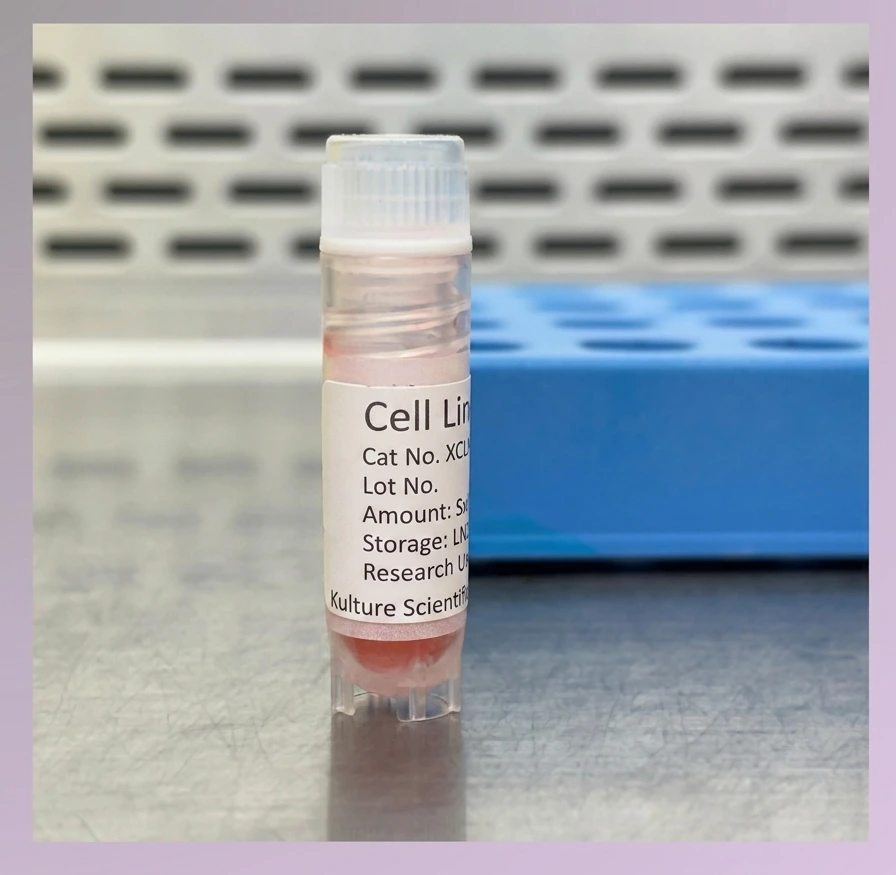
SK-OV-3 is a human ovarian adenocarcinoma cancer cell line, established from the ascites of a 64-year-old female donor and supplied cryopreserved at more than 5×10⁵ cells per vial. Grown as an adherent culture on vessels pre-coated with Kulture Coating Solution.

  •  Cancer cell line (malignant tumor cells, not CAFs)
  • Tested negative for HIV-1, HBV, HCV, and mycoplasma
  • Pre-coat vessels before thawing
  • BSL-2

Storage/Shipping: Ships frozen on dry ice.

Upon Receipt: Transfer vials immediately to liquid nitrogen (long-term)

Price
$ 0.00 $ 0.00 (Tax excluded)

For Research Use Only
Return & Refund Policy

Internal Reference: KCL-CAN-101

Product Description

SK-OV-3 is a human ovarian adenocarcinoma cancer cell line established from the ascites of a 64-year-old Caucasian female with adenocarcinoma of the ovary. Cells are supplied cryopreserved at more than 5×10⁵ cells per vial and grow as an adherent culture on vessels pre-coated with Kulture Coating Solution (KM-UCS-1).

Recommended medium: standard complete growth medium with 10% FBS (for example, McCoy’s 5A or DMEM/F-12).

Coat before you thaw. Coating takes at least 60 minutes, so start it before you take the vial out of storage.

Characterization

Cell Source / TissueAscites, ovarian adenocarcinoma (metastatic site)
SpeciesHuman (Homo sapiens)
Donor64-year-old Caucasian female
Cell FamilyCancer cell line (malignant tumor cells, not CAFs)
GrowthAdherent; typically confluent within 5 to 7 days
Culture SurfaceVessels pre-coated with Kulture Coating Solution (KM-UCS-1)

Testing

  • Negative for HIV-1, HBV, HCV, and mycoplasma

Receipt Protocol

  • On arrival, transfer vials immediately to liquid nitrogen (vapor phase).
  • Do not let vials thaw before you are ready to plate them.
  • Coat culture vessels with Kulture Coating Solution before thawing (at least 60 minutes).

Step-by-step protocols for thawing, coating, and subculturing are kept on one page each, so they are always current:

Thawing Protocol for Cryopreserved Cell Lines →Subculture Protocol for Cells on Coated Vessels →

Reagents used with this line

Why coat at all? See Do You Need to Coat Flasks for Adhesion?

Culture notes for SK-OV-3

  • Change medium every 2 to 3 days.
  • Cells typically reach confluence within 5 to 7 days.
  • Subculture at a 1:2 to 1:3 ratio onto pre-coated vessels.

Catalog Information

Catalog NumberKCL-CAN-101
FormatCryopreserved vial
Product TypeHuman cancer cell line
Cell Number> 5×10⁵ cells/vial
Regulatory StatusFor Research Use Only
Biosafety LevelBSL-2 (human origin)

Storage & Handling

Store in Liquid Nitrogen
Shipping ConditionFrozen vials on dry ice
StorageLiquid nitrogen (vapor phase)
Do NotDo not allow cells to thaw during transit or before intended use. Do not store at −20°C.
ImportantThis product is sensitive to temperature fluctuations. Repeated freeze-thaw cycles will compromise cell viability and are not recommended.

Safety

Warning. This product is of human origin and must be handled using BSL-2 precautions in accordance with local biosafety regulations. Wear appropriate personal protective equipment, including gloves, lab coat, and eye protection. Follow your institutional biosafety guidelines for handling and disposal.

Regulatory

For Research Use Only. Not for diagnostic use or direct administration into humans or animals.

Frequently Asked Questions

Do I need to coat the flask?

Yes. SK-OV-3 from Kulture Scientific is grown on vessels pre-coated with Kulture Coating Solution (KM-UCS-1). Start coating before you thaw, since it takes at least 60 minutes.

What medium should I use?

A standard complete growth medium with 10% FBS, such as McCoy’s 5A or DMEM/F-12.

How fast do the cells grow?

They typically reach confluence within 5 to 7 days. Subculture at a 1:2 to 1:3 ratio.

What testing has been done?

The cells have tested negative for HIV-1, HBV, HCV, and mycoplasma.

Where is the thawing protocol?

On our Thawing Protocol for Cryopreserved Cell Lines page. Subculturing is on the Subculture Protocol for Cells on Coated Vessels page.

Still have a question? Ask the bench. A real cell culture scientist answers.