- All products
- Kultureware
- Cell Culture Flasks
- Cell Culture Flasks
- Cell Culture Flasks
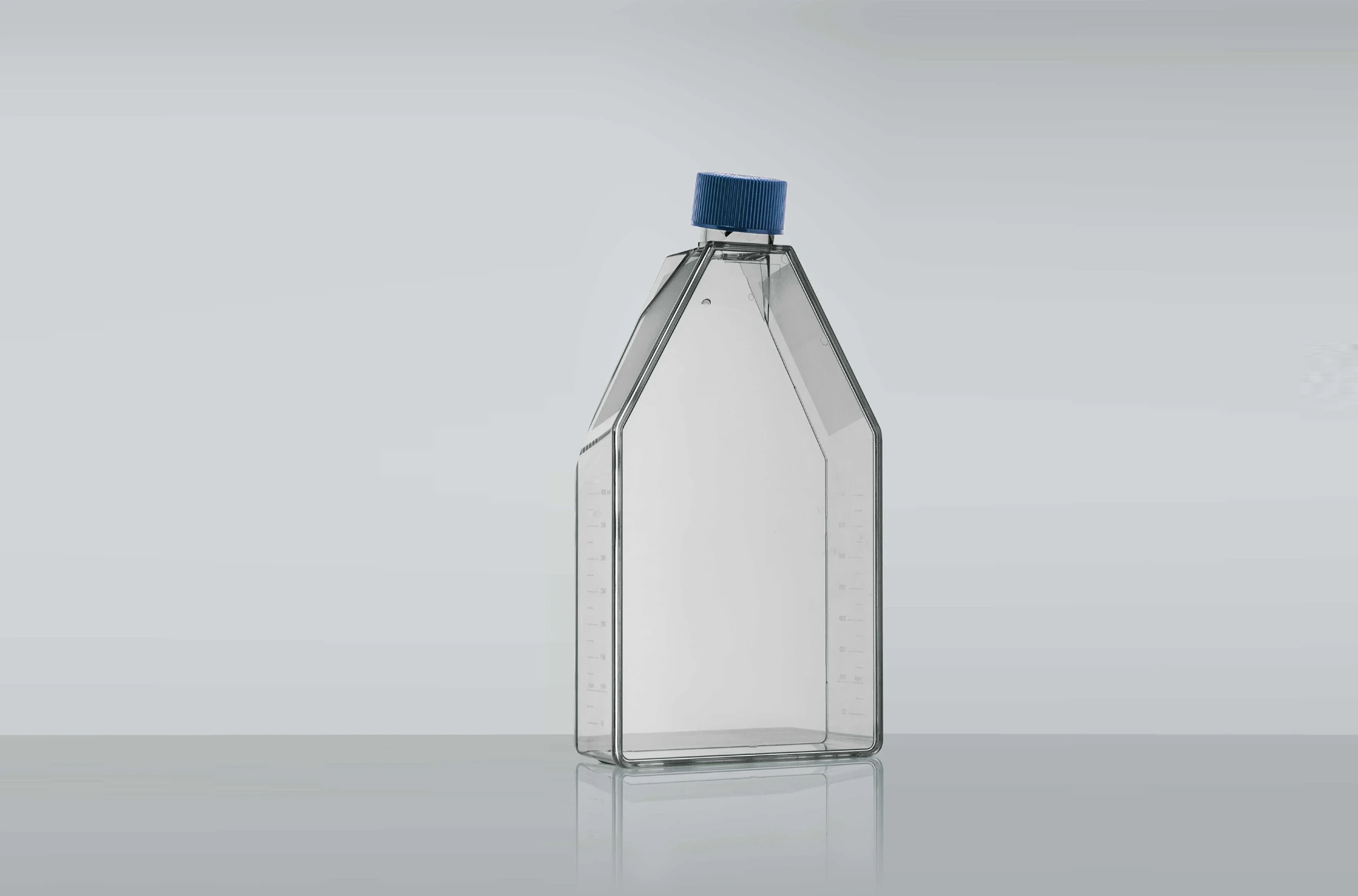
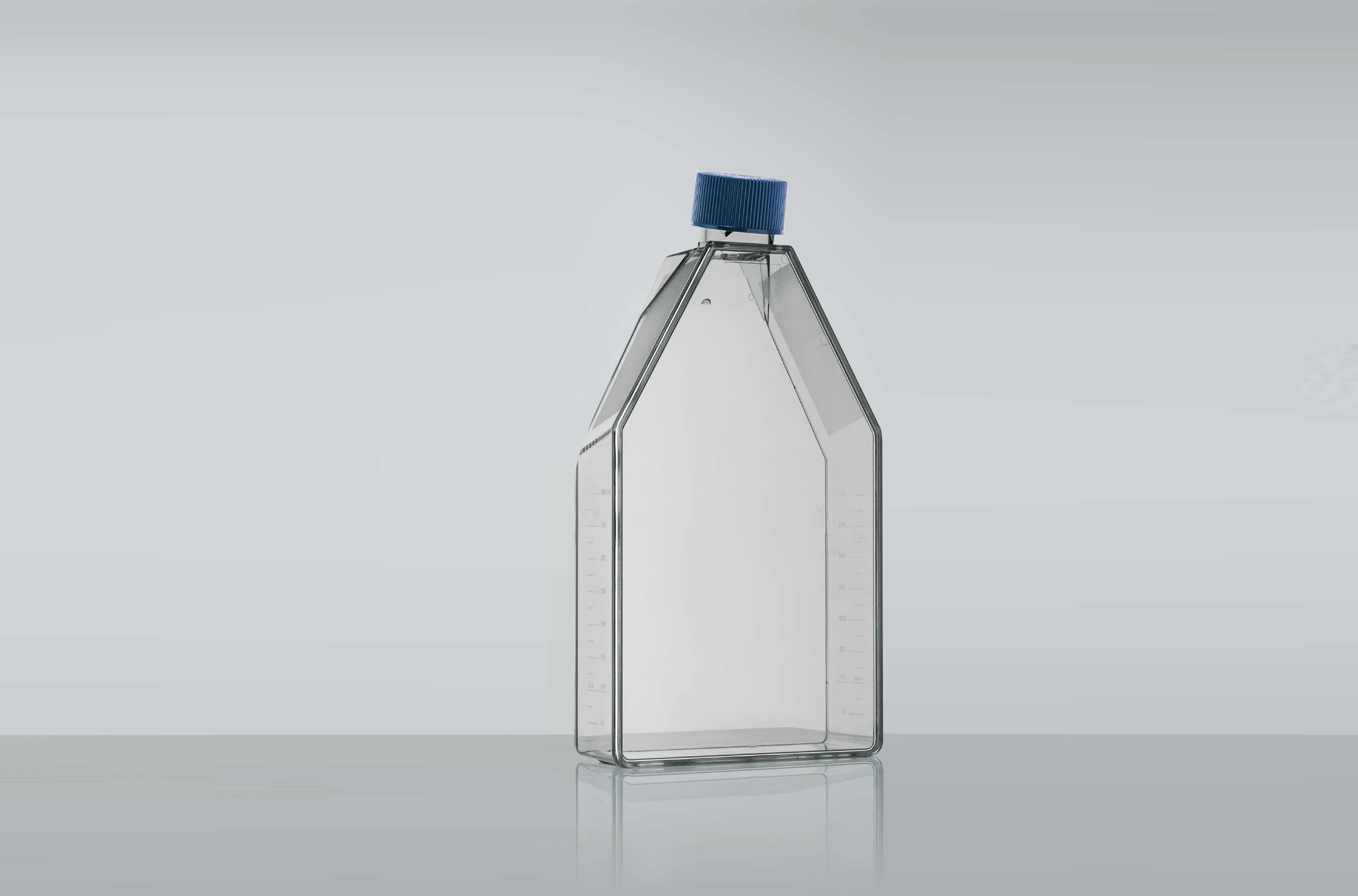
Designed for standard and large-scale cell culture workflows, these tissue culture flasks feature an angled neck with an extra-wide opening for unobstructed pipette and scraper access to the growth surface — reducing cell loss during harvest and improving recovery consistency. The raised outer base provides a stable stacking profile for incubator and bench storage.
Available in TC-Treated and Suspension configurations to match your specific culture workflow:
- Angled ergonomic neck — provides comfortable, direct access to the growth surface, reducing wrist strain during pipetting and cell scraping
- Extra-wide neck opening — accommodates standard cell scrapers and pipettes without awkward maneuvering for maximum cell recovery during harvest
- Raised outer bottom edge — creates a stable, level base for secure stacking in the incubator or on the bench without slipping or tipping
- TC-Treated surface — hydrophilic treatment promotes cell attachment and monolayer formation for adherent cell lines
- Suspension surface — smooth, non-treated interior keeps non-adherent cells freely floating without unwanted surface interaction
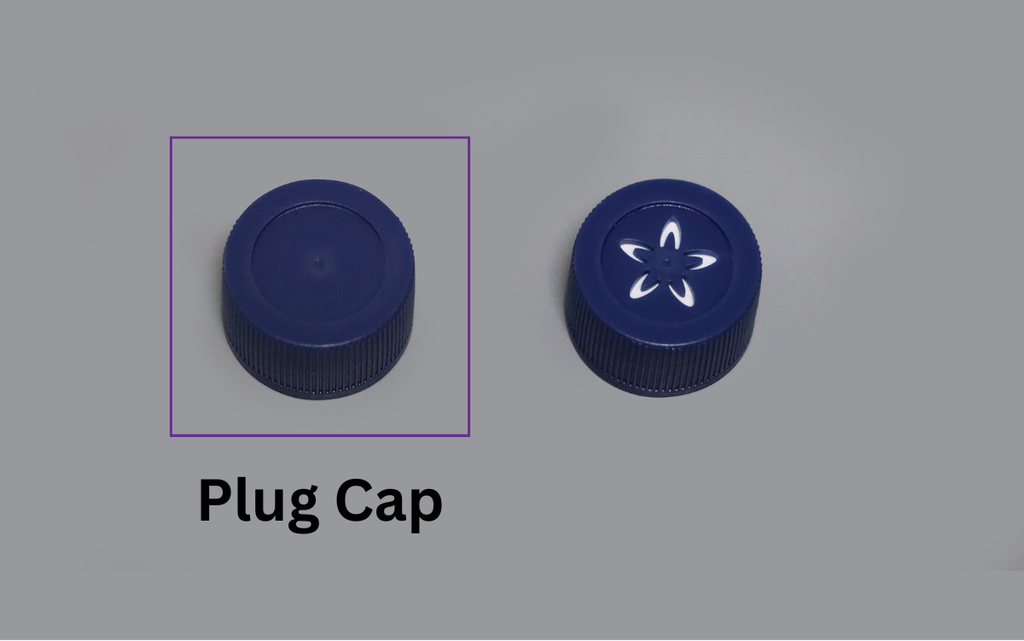
- Vented cap option — permeable membrane allows passive CO₂ gas exchange for consistent incubator culture without opening the flask
- Plug cap option — maintains a fully sealed environment for closed-system applications and short-term transport
- Precision graduation markings — clear volume indicators for quick visual confirmation during media changes
- DNase/RNase, DNA, Pyrogen, and ATP-free — certified safe for sensitive cell culture applications
- Sterile, individually wrapped — sterility maintained until point of use
| Specification | Detail |
|---|---|
| Material | Virgin polystyrene |
| Sterilization Method | Gamma irradiation — dose verification per ISO 11137 |
| Sterility Assurance Level | SAL 10⁻⁶ |
| Available Sizes | 25 cm² | 75 cm² | 175 cm² | 225 cm² |
| Surface Treatment | TC-Treated (adherent) or Suspension (non-treated) |
| Cap Options | Plug Cap or Vented Cap |
| Neck Design | Angled ergonomic, extra-wide opening |
| Base Design | Raised outer edge for stable stacking |
| Graduation Marks | ✓ Yes |
| DNase / RNase-free | ✓ Certified |
| DNA-free | ✓ Certified |
| Pyrogen-free | ✓ Certified |
| ATP-free | ✓ Certified |
| Sterile | ✓ Yes — individually wrapped |
| Autoclavable | ⚠️ Not Autoclavable |
| Single-Use | ⚠️ Single-Use Only |
- Store in original sealed packaging in a clean, dry environment away from direct sunlight and UV exposure
- Maintain storage temperature between 15°C and 30°C (59°F – 86°F)
- Keep away from excessive humidity
- Do not use flasks from damaged or previously opened packaging
- Handle with gloves using standard aseptic technique inside a biosafety cabinet
- Inspect packaging integrity before opening — do not use if seal is compromised
- Single-use only — do not reuse between passages or experiments
- Dispose of used flasks in accordance with your institution's biosafety waste disposal guidelines
Designed for standard and large-scale cell culture workflows, these tissue culture flasks feature an angled neck with an extra-wide opening for unobstructed pipette and scraper access to the growth surface — reducing cell loss during harvest and improving recovery consistency. The raised outer base provides a stable stacking profile for incubator and bench storage.
Available in TC-Treated and Suspension configurations to match your specific culture workflow:
- Angled ergonomic neck — provides comfortable, direct access to the growth surface, reducing wrist strain during pipetting and cell scraping
- Extra-wide neck opening — accommodates standard cell scrapers and pipettes without awkward maneuvering for maximum cell recovery during harvest
- Raised outer bottom edge — creates a stable, level base for secure stacking in the incubator or on the bench without slipping or tipping
- TC-Treated surface — hydrophilic treatment promotes cell attachment and monolayer formation for adherent cell lines
- Suspension surface — smooth, non-treated interior keeps non-adherent cells freely floating without unwanted surface interaction
- Vented cap option — permeable membrane allows passive CO₂ gas exchange for consistent incubator culture without opening the flask
- Plug cap option — maintains a fully sealed environment for closed-system applications and short-term transport
- Precision graduation markings — clear volume indicators for quick visual confirmation during media changes
- DNase/RNase, DNA, Pyrogen, and ATP-free — certified safe for sensitive cell culture applications
- Sterile, individually wrapped — sterility maintained until point of use
| Specification | Detail |
|---|---|
| Material | Virgin polystyrene |
| Sterilization Method | Gamma irradiation — dose verification per ISO 11137 |
| Sterility Assurance Level | SAL 10⁻⁶ |
| Available Sizes | 25 cm² | 75 cm² | 175 cm² | 225 cm² |
| Surface Treatment | TC-Treated (adherent) or Suspension (non-treated) |
| Cap Options | Plug Cap or Vented Cap |
| Neck Design | Angled ergonomic, extra-wide opening |
| Base Design | Raised outer edge for stable stacking |
| Graduation Marks | ✓ Yes |
| DNase / RNase-free | ✓ Certified |
| DNA-free | ✓ Certified |
| Pyrogen-free | ✓ Certified |
| ATP-free | ✓ Certified |
| Sterile | ✓ Yes — individually wrapped |
| Autoclavable | ⚠️ Not Autoclavable |
| Single-Use | ⚠️ Single-Use Only |
- Store in original sealed packaging in a clean, dry environment away from direct sunlight and UV exposure
- Maintain storage temperature between 15°C and 30°C (59°F – 86°F)
- Keep away from excessive humidity
- Do not use flasks from damaged or previously opened packaging
- Handle with gloves using standard aseptic technique inside a biosafety cabinet
- Inspect packaging integrity before opening — do not use if seal is compromised
- Single-use only — do not reuse between passages or experiments
- Dispose of used flasks in accordance with your institution's biosafety waste disposal guidelines
| Growth Area | Flask Volume (mL) |
Recommended Working Volume (mL) |
Max Working Volume (mL) |
Recommended Dissociation Media (mL) |
|---|---|---|---|---|
| 25 cm² | 50 | 5 – 7.5 | 19 | 0.5 – 1 |
| 75 cm² | 250 | 15 – 22.5 | 55 | 2 – 4 |
| 175 cm² | 600 | 35 – 52.5 | 150 | 3 – 6 |
| 225 cm² | 900 | 60 – 90 | 310 | 5 – 10 |
| Growth Area | Flask Volume (mL) |
Recommended Working Volume (mL) |
Max Working Volume (mL) |
Recommended Dissociation Media (mL) |
|---|---|---|---|---|
| 25 cm² | 50 | 5 – 7.5 | 19 | 0.5 – 1 |
| 75 cm² | 250 | 15 – 22.5 | 55 | 2 – 4 |
| 175 cm² | 600 | 35 – 52.5 | 150 | 3 – 6 |
| 225 cm² | 900 | 60 – 90 | 310 | 5 – 10 |
Frequently Bought Together
These other products might interest you